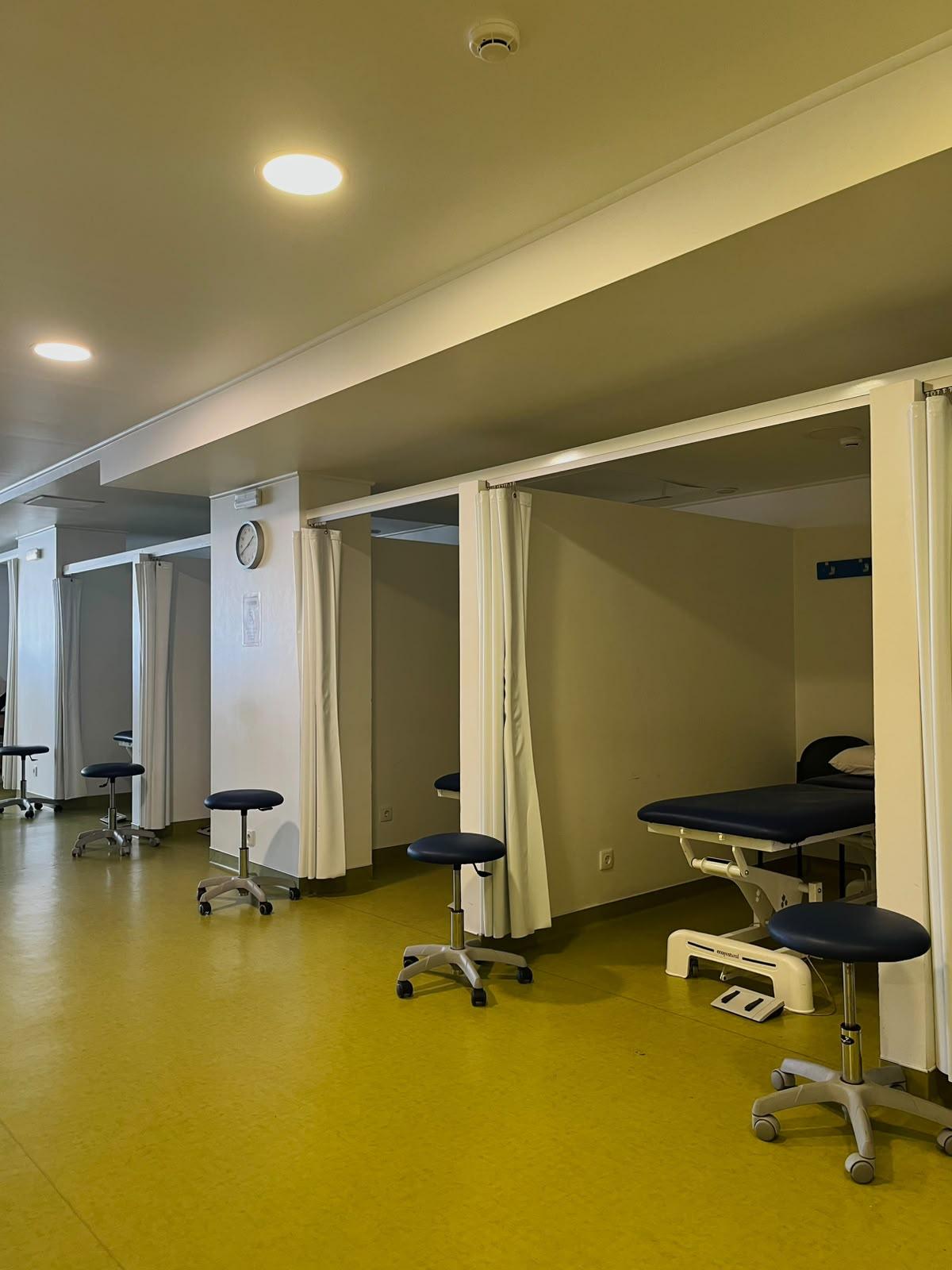
Vestibular rehabilitation in Estoril
For dizziness, vertigo and balance problems.
What is vestibular rehabilitation
Vestibular rehabilitation is a specialist physiotherapy intervention for people with dizziness, vertigo or balance problems related to the vestibular system. Through individualised balance, gaze stabilisation and movement adaptation exercises, it aims to reduce symptoms and improve stability, independence and confidence in everyday activities.
The vestibular system is located in the inner ear and tells the brain about the position and movement of the head. When it fails, the brain receives signals that do not match those from the eyes and the body. The result is dizziness, a feeling that everything is spinning, or unsteadiness when walking.
When to seek help
It can help people who have:
- vertigo when lying down, getting up or turning over in bed;
- dizziness when moving the head quickly or in busy places with lots of movement, such as a supermarket;
- unsteadiness or a fear of falling;
- symptoms that have persisted after an inner ear problem.
Sudden dizziness with a severe headache, difficulty speaking, weakness on one side of the body or double vision is an emergency: call 112.
How it works
It starts with an assessment of your symptoms, your balance and the movements that trigger them. The plan uses individualised balance, gaze stabilisation and movement adaptation exercises. At first, some exercises may cause mild dizziness: this is part of how the brain adapts. With practice, symptoms tend to ease and confidence in everyday activities returns.
Vestibular rehabilitation at Clínica de Exercício
In our team, Jully Moura counts vestibular rehabilitation among her specialities (see her profile). See all physiotherapy and clinical Pilates services in Estoril or go back to the home page.
Frequently asked questions
Short answers, with numbers and sources. There is more in all frequently asked questions.
Which types of dizziness and vertigo are treated with vestibular rehabilitation?
The most common is benign paroxysmal positional vertigo (BPPV): short spinning episodes when lying down, turning over in bed or looking up, which are treated with repositioning manoeuvres. Vestibular rehabilitation also helps after vestibular neuritis, with loss of inner ear function, with persistent dizziness (PPPD) and with balance problems. A medical diagnosis should come first; see the difference between dizziness and vertigo.
How long does it take to improve with vestibular rehabilitation?
With BPPV, most people are better after 1 to 3 manoeuvres, often in the very first session. For other causes, such as after neuritis, the plan lasts 4 to 9 weeks: short exercises at home, 3 to 5 times a day, and a weekly appointment to adjust them. The time depends on the cause and on sticking to the recommended amount of exercise.
Which signs with dizziness mean you should go to the emergency department?
Call 112 if the dizziness comes with difficulty speaking, a drooping mouth, weakness or numbness in an arm or leg, double vision or loss of vision, sudden hearing loss, or a sudden, very severe headache: these may be signs of a stroke. Persistent vomiting or a high fever also call for urgent medical attention, not physiotherapy. See why these signs matter.